



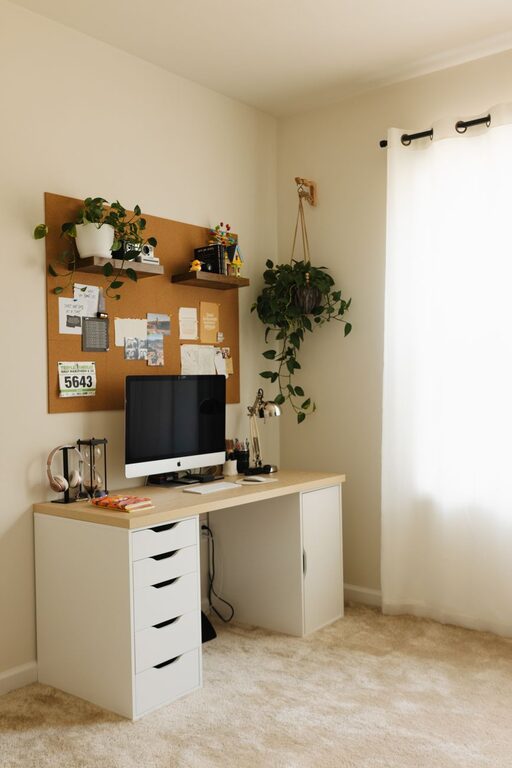
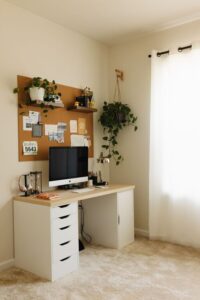
Creating a home office space that is both cozy and functional can significantly improve your work-from-home experience. Whether you have a dedicated room or a small corner, designing a workspace that supports productivity while feeling comfortable is key. In this post, we’ll explore practical tips and ideas to help you set up a home office that suits your needs and style.
Why a Cozy and Functional Home Office Matters
A well-designed home office can boost focus, reduce stress, and make long working hours more enjoyable. When your workspace feels inviting and organized, it’s easier to maintain motivation and separate work from personal life.
Choose the Right Location
Consider Natural Light
Try to position your desk near a window to benefit from natural light, which can enhance mood and energy. Avoid placing your screen where glare is an issue, but don’t sacrifice daylight for less eye strain.
Minimize Distractions
Pick a quiet area away from high-traffic zones in your home. If possible, dedicate a space solely for work to create mental separation between office and home activities.
Invest in Comfortable and Supportive Furniture
Ergonomic Chair
A good office chair is essential. Look for adjustable height, lumbar support, and comfortable padding to protect your back and improve posture during long hours.
Functional Desk
Choose a desk with enough surface space for your computer, paperwork, and accessories. Adjustable desks or standing desks offer flexibility for varying work styles.
Organize Your Workspace Efficiently
Declutter Regularly
Keep your desk clear by putting away items you don’t use daily. Use trays, baskets, or boxes to organize small supplies like pens, paper clips, and sticky notes.
Use Storage Solutions
Shelves, filing cabinets, and wall organizers help keep important documents and materials within reach but out of the way. Vertical storage maximizes space in smaller rooms.
Cable Management
Tidy up cords with clips, sleeves, or cable boxes to avoid tangles and hazards. A clean desk is less distracting and feels more inviting.
Add Personal Touches for Comfort
Choose a Calming Color Palette
Soft, neutral colors or pastel tones create a soothing environment. You can add pops of your favorite colors through accessories like cushions or artwork.
Incorporate Plants
Indoor plants improve air quality and bring life to your space. Easy-care varieties like succulents or pothos add greenery without requiring much attention.
Use Soft Lighting
In addition to natural light, include warm lamps or LED strips to reduce eye strain and create a cozy atmosphere, especially during evening hours.
Improve Productivity with Technology and Tools
Reliable Equipment
Ensure your computer, printer, and internet connection are up to date and reliable to avoid frustrating interruptions.
Quality Headphones or Speakers
For video calls or focus sessions, good audio equipment can make a difference.
Task Management Tools
Whether digital apps or physical planners, keeping track of your to-dos and deadlines helps maintain organization and reduces stress.
Establish a Daily Routine and Boundaries
Set Working Hours
Determine a consistent schedule to create structure. When your workday ends, physically step away from your office space if possible.
Take Breaks and Move
Incorporate short breaks to stretch, walk around, or relax your eyes. This supports both mental and physical well-being.
Final Thoughts
Designing a cozy and functional home office is a blend of comfort, practicality, and personalization. By choosing the right location, furniture, and organization methods, plus adding touches that make you feel at ease, your workspace can become a place where productivity and comfort go hand in hand.
Remember, your home office should reflect your working style and preferences, so don’t hesitate to experiment and adjust as needed. With these tips, you’re well on your way to creating a home office that supports your best work every day.


More Stories
Tips for Creating a Cozy Reading Nook at Home
Tips for Creating a Comfortable and Productive Home Office Space
Tips for Creating a Relaxing Home Workspace to Boost Productivity