
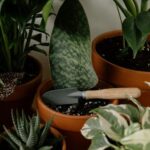


Creating a lush, green space at home can bring a sense of calm, increase air quality, and add natural beauty to your living environment. However, taking care of indoor plants requires some knowledge and routine to keep them healthy and thriving. Whether you are a beginner or looking to improve your indoor plant care routine, this guide offers practical tips and insights to help you build and maintain a vibrant green sanctuary at home.
Why Create a Green Space Indoors?
Indoor plants offer numerous benefits beyond decoration. They help purify the air by absorbing toxins and releasing oxygen, reduce stress, and improve mood and productivity. Establishing a personal green space provides a connection to nature, especially for those living in urban environments or with limited outdoor access. With the right care, your indoor garden can flourish and enhance your home’s atmosphere year-round.
Choosing the Right Plants for Indoor Care
Selecting the appropriate plants is the first step in successful indoor gardening. Consider your home’s light conditions, humidity levels, and the time you can dedicate to plant care.
Low-Light Tolerant Plants
If your home has limited sunlight, opt for shade-loving plants such as:
– Snake plants (Sansevieria)
– ZZ plants (Zamioculcas zamiifolia)
– Pothos (Epipremnum aureum)
– Peace lilies (Spathiphyllum)
Bright, Indirect Light Plants
For spaces with ample indirect sunlight, choose:
– Spider plants (Chlorophytum comosum)
– Fiddle leaf figs (Ficus lyrata)
– Rubber plants (Ficus elastica)
– Boston ferns (Nephrolepis exaltata)
Succulents and Cacti
These need bright, direct light and minimal watering, ideal for sunny windowsills and busy schedules.
Essential Plant Care Tips
1. Watering Wisely
Overwatering is a common mistake. Most indoor plants prefer their soil to dry out slightly between waterings. Check the top inch of soil—if it feels dry, it’s time to water. Use room temperature water and avoid letting plants sit in standing water, which can cause root rot.
2. Light Management
Understand the light needs of each plant. Rotate pots regularly so all sides receive light evenly, promoting balanced growth. If natural light is limited, consider using grow lights designed for indoor plants.
3. Proper Potting and Soil
Use pots with drainage holes to prevent excess moisture build-up. Select soil tailored to the plant type, such as cactus mix for succulents or peat-based potting soil for tropical plants. Repot plants every 1-2 years to refresh soil and accommodate root growth.
4. Humidity and Temperature
Most houseplants thrive in moderate humidity and temperatures between 65°F and 75°F. Increase humidity by misting leaves, using a pebble tray with water, or placing a humidifier nearby. Avoid placing plants near drafts, heating vents, or air conditioners.
5. Feeding and Fertilizing
Feed your plants with a balanced, water-soluble fertilizer during the growing season (spring and summer). Follow product instructions to avoid over-fertilizing, which can damage roots.
6. Pruning and Cleaning
Remove dead or yellowing leaves to encourage healthy growth and prevent disease. Gently wipe leaves with a damp cloth to remove dust that can block sunlight absorption.
Designing Your Indoor Green Space
A green space is more than just a collection of plants—it’s about arrangement, style, and creating a calming environment.
Choose a Location
Identify a spot in your home where your plants will receive appropriate light and where you will enjoy spending time. Common choices include sunny windows, corners of living rooms, and kitchen counters.
Use a Variety of Planters
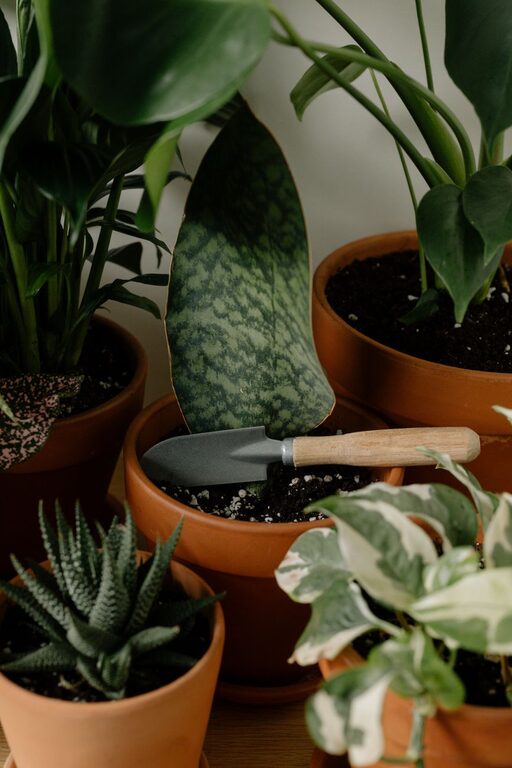
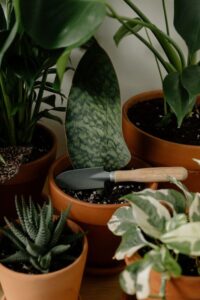
Mix decorative pots and planters to add visual interest. Consider materials like ceramic, terracotta, or woven baskets that complement your interior design.
Create Plant Groupings
Grouping plants together raises humidity levels and creates a mini indoor garden effect. Combine different heights, textures, and leaf shapes for a balanced look.
Incorporate Plant Stands and Shelves
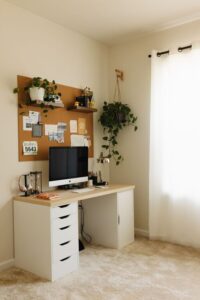
Vertical space can be used for additional plants through shelves or tiered plant stands. This helps maximize space and adds layers to your green display.
Add Decorative Elements
Integrate items like stones, driftwood, or small sculptures to personalize your green space and enhance the natural vibe.
Troubleshooting Common Indoor Plant Problems
Yellow or Drooping Leaves
Often a sign of overwatering, underwatering, or insufficient light. Check soil moisture and adjust watering habits. Move the plant to a brighter location if needed.
Pests
Common pests include spider mites, aphids, and mealybugs. Clean leaves regularly and consider natural treatments like neem oil or insecticidal soap.
Slow Growth
May indicate a lack of nutrients, light, or root space. Fertilize appropriately, adjust lighting, or repot your plant.
Final Thoughts
Improving indoor plant care and creating a green space at home is a rewarding process that enhances your living environment. By choosing the right plants, providing adequate care, and thoughtfully arranging your green space, you can cultivate a refreshing oasis that nurtures both your plants and your well-being. Remember, patience and observation are key—each plant is unique and will thrive with a little attention and love. Enjoy the journey of bringing nature indoors!


More Stories