



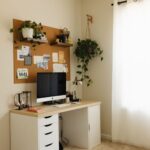


Creating a relaxing home workspace is essential for maintaining focus, reducing stress, and boosting productivity. Whether you work remotely full-time or occasionally, your environment plays a significant role in how efficiently and comfortably you get your tasks done. Here’s a comprehensive guide with practical tips to transform your workspace into a calm and productive retreat.
Why a Relaxing Workspace Matters
A cluttered, noisy, or uncomfortable workspace can lead to distractions and burnout. By designing a relaxing area dedicated to work, you can:
– Improve concentration
– Decrease stress levels
– Increase motivation
– Maintain better work-life balance
The goal is to create a space that supports your workflow and makes work feel less like a chore.
Choosing the Right Location
Find a Quiet Spot
Choose a part of your home away from high-traffic areas like the kitchen or living room. A quieter location helps minimize interruptions and background noise.
Consider Natural Light
Natural light has been shown to enhance mood and productivity. Position your desk near a window if possible. If natural light is limited, opt for full-spectrum bulbs that mimic sunlight.
Think About Space and Privacy
Make sure you have enough room for your essentials and some personal items. Privacy is important to avoid distractions, especially if you share your home with others.
Furnishing Your Workspace for Comfort and Productivity
Invest in an Ergonomic Chair
A supportive, adjustable chair prevents back pain and fatigue. You’ll spend hours sitting, so comfort is key.
Choose the Right Desk
Select a desk at an appropriate height. Consider standing desks or adjustable desks that let you alternate between sitting and standing.
Organize with Storage Solutions
Keep your workspace tidy with shelves, drawers, or filing cabinets. A clutter-free desk promotes a clear mind.
Personalize with Soothing Elements
Use Calming Colors
Soft blues, greens, and neutral tones are known to promote relaxation and calmness. Avoid overly bright or harsh colors that might be distracting.
Add Plants
Indoor plants improve air quality and bring a touch of nature into your space. They can reduce stress and improve overall mood.
Play Soft Background Music or Nature Sounds
If silence feels too isolating, low-volume instrumental music or nature sounds like rain or birdsong can create a peaceful ambiance.
Minimize Distractions
Declutter Regularly
Set aside time weekly to tidy up your workspace. Removing clutter helps maintain focus.
Manage Technology Wisely
Turn off non-essential notifications during work hours. Use apps or tools that block distracting websites when you need to concentrate.
Use Noise-Canceling Headphones
If your environment is noisy, noise-canceling headphones can help you create your own bubble of calm.
Incorporate Healthy Habits
Take Regular Breaks
Follow techniques like the Pomodoro method – work for 25 minutes, then take a 5-minute break. Use breaks to stretch or walk around.
Keep Hydrated and Snack Smartly
Keep a water bottle at your desk and have healthy snacks nearby. Staying hydrated and nourished supports brain function.
Maintain Good Posture
Ensure your screen is at eye level and your feet rest flat on the ground. Good posture reduces strain and fatigue.
Maintain Boundaries Between Work and Home Life
Define Work Hours
Set clear start and end times to avoid overworking. Communicate these boundaries to household members.
Create a Routine
Develop a consistent routine to signal the start and end of your workday. This helps your mind switch between work and relaxation modes.
End Your Day with a Clean-Up
Spend a few minutes organizing your desk at the end of the day. A clean space tomorrow can set a positive tone.
Final Thoughts
Designing a relaxing home workspace doesn’t require a huge budget or drastic changes. Small adjustments in your environment and habits can have a big impact on your productivity and well-being. Experiment with these tips and find what works best for you to create a home office that feels both functional and inviting. Your workspace should support not just your tasks but your mental health and happiness too.


More Stories
Tips for Creating a Cozy Reading Nook at Home
Tips for Creating a Comfortable and Productive Home Office Space
Tips for Creating a Cozy and Inviting Home Office Space