


Creating a sustainable garden in a small space is a rewarding way to connect with nature, even if you don’t have acres of land. Whether you live in an apartment, townhouse, or urban area, small-scale gardening can provide beautiful greenery, fresh herbs, or even some vegetables, all while being kind to the environment. The key is to use smart strategies that maximize your area and minimize waste.
In this post, we’ll explore practical tips and ideas for building a thriving sustainable garden in any small space you have available.
Why Focus on Sustainability in Small-Space Gardening?
Sustainability in gardening means using methods that conserve natural resources, reduce waste, and encourage healthy ecosystems. Small spaces offer unique opportunities to minimize inputs like water, fertilizer, and energy while still growing plants effectively. This approach not only benefits the planet but can also lower your gardening costs and effort.
Choose the Right Plants for Your Space
Select Native and Drought-Tolerant Varieties
Native plants are adapted to your local climate and soil, so they typically need less water and care. Drought-tolerant plants are also excellent choices for reducing water use—essential in many regions. Examples include succulents, lavender, sage, and ornamental grasses.
Consider Edible Plants That Fit Your Needs
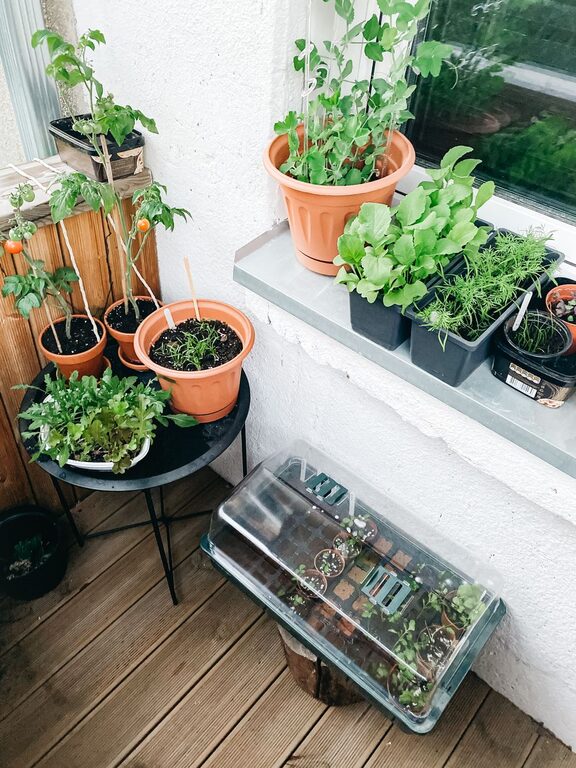
If you want to grow food, pick compact vegetables and herbs suited for containers or small plots. Leafy greens, cherry tomatoes, peppers, and herbs like basil and rosemary can thrive in limited space.
Maximize Space with Smart Layouts and Containers
Vertical Gardening
Using vertical space is a game-changer for small gardens. Install trellises, wall-mounted planters, or hanging baskets to grow vines, herbs, and strawberries. Vertical gardens free up ground area and improve airflow for your plants.
Container Gardening
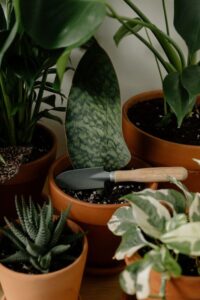
Choose containers with good drainage made from materials like terracotta or recycled plastics. Containers allow flexibility—you can move plants to capture sunlight or protect them from harsh weather. Group smaller pots together to create a mini-garden area.
Use Raised Beds or Window Boxes
Raised beds can increase soil quality and make maintenance easier, while window boxes are ideal for small balconies or windowsills. Both options help you control soil conditions and maximize productivity in small spaces.
Improve Soil Health Naturally
Healthy soil is the foundation of sustainable gardening. Avoid synthetic fertilizers by enriching soil with organic compost and mulch. Compost adds nutrients and improves soil texture, while mulch retains moisture and suppresses weeds, reducing your need for watering and chemical interventions.
Water Wisely to Conserve Resources
Install a Drip Irrigation System
Drip irrigation delivers water directly to plant roots, minimizing evaporation and runoff. It’s efficient and convenient, especially if you have many containers or vertical setups.
Collect Rainwater
Using rain barrels to collect and reuse rainwater is an eco-friendly way to water your plants without relying on tap water. Just remember to cover barrels to keep mosquitoes out.
Water Early or Late in the Day
Water plants during cooler parts of the day to reduce water loss due to evaporation.
Embrace Natural Pest Management
Instead of chemical pesticides, use natural pest control methods to protect your plants:
– Introduce beneficial insects like ladybugs and lacewings that prey on pests.
– Use companion planting to deter harmful insects; for example, marigolds can keep aphids away.
– Handpick pests or use homemade sprays such as soapy water to manage infestations gently.
Encourage Biodiversity
Even small gardens can support local wildlife. Plant a variety of species that bloom at different times to provide nectar and habitat for pollinators like bees and butterflies. Avoid using herbicides or pesticides that harm beneficial insects.
Reduce Waste and Reuse Materials
In line with sustainability, repurpose household items as planters or garden decor. Old wooden crates, tin cans, and broken pots can be creative containers. Use kitchen scraps for compost or plant cuttings to expand your garden inexpensively.
Maintain Your Garden with Minimal Impact
Regular pruning, harvesting, and monitoring help keep plants healthy and prevent disease. Clean tools to avoid spreading pests and diseases, and avoid overusing water or fertilizers to reduce environmental impact.
Final Thoughts
Creating a sustainable garden in a small space is not only possible but enjoyable with the right approach. By choosing suitable plants, maximizing your area, conserving water, and supporting local ecosystems, you can have a beautiful and eco-friendly garden no matter the size. Start small, observe your garden’s needs, and enjoy the many benefits of sustainable gardening close to home.


More Stories